
Why Electrical Infrastructure Is Essential for Industrial Development

Electrical infrastructure is a fundamental component of modern industrial and institutional facilities. Manufacturing operations, equipment installations, utilities, and essential building systems depend on electrical infrastructure designed and executed according to their requirements.
Effective planning and coordination help ensure that electrical work aligns with the wider needs of an industrial project.
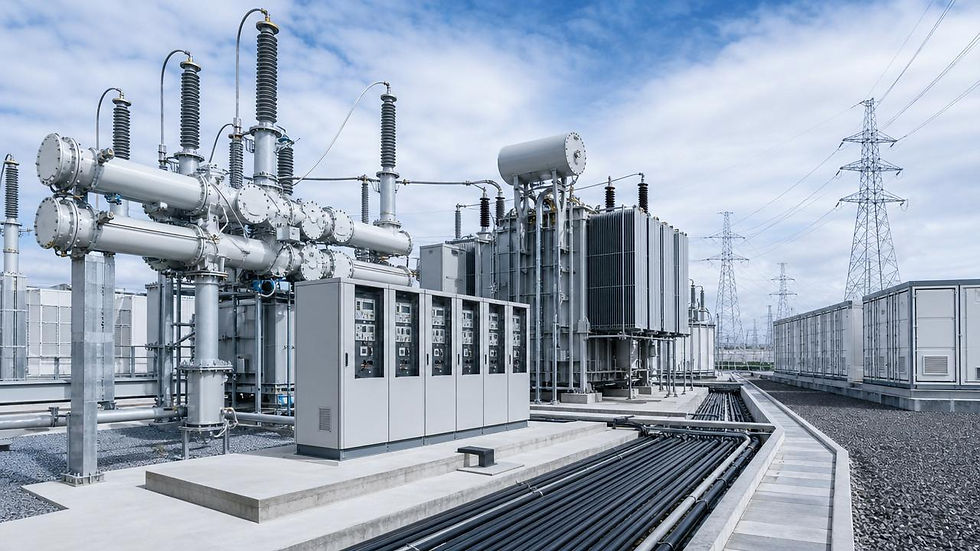
What Does Industrial Electrical Infrastructure Include?
Industrial electrical infrastructure may involve power distribution systems, electrical installations, switchgear, equipment connections, cable routing, and associated supporting infrastructure. The exact requirements depend on the facility, approved designs, equipment specifications, and applicable regulations.
Four Important Considerations in Electrical Infrastructure Projects
1. Planning and Technical Specifications
Every project should begin with a clear understanding of its electrical requirements. Reviewing approved drawings, equipment loads, installation conditions, and interface requirements helps establish a practical execution plan.
2. Coordination With Civil Works
Electrical installations often depend on civil construction activities. Equipment foundations, cable trenches, utility routes, and designated installation spaces must be coordinated to minimise avoidable site conflicts.
3. Equipment Installation and Interfaces
Industrial facilities may contain equipment supplied by multiple vendors. Coordinating equipment locations, connection requirements, installation access, and related civil works helps support an organised installation process.
4. Testing, Inspection, and Handover
Testing and inspection activities should be planned according to the project scope and applicable statutory requirements. Relevant documentation and handover coordination are also important parts of project closeout.
The Importance of Safety and Quality
Electrical work requires appropriate technical supervision, competent personnel, and adherence to applicable safety practices. Work should follow approved drawings, specifications, and relevant regulatory requirements.
Clear documentation, communication between contractors, and timely resolution of site issues also contribute to disciplined execution.
How Integrated Coordination Helps
Electrical infrastructure does not operate independently of the rest of a project. Coordination between civil teams, electrical contractors, equipment vendors, and client representatives helps align installation activities with the overall construction programme.
RICH Planet LLP supports electrical infrastructure coordination for institutional, government-linked, and industrial project environments, including installation interfaces and testing, inspection, and commissioning coordination where included in the agreed scope.
Conclusion
Reliable electrical infrastructure starts with careful planning and continues through coordinated installation, inspection, and handover. By treating electrical work as an integrated part of infrastructure delivery, project teams can better manage technical interfaces and site execution requirements.
Looking for electrical infrastructure project support? Contact RICH Planet LLP to discuss your project scope and requirements.

Comments