
The Role of EPC Project Execution in Modern Infrastructure Development

Infrastructure development requires careful planning, technical coordination, and organised execution. From civil construction to electrical installations, every component of a project must work together to achieve the intended outcome. Engineering, Procurement and Construction (EPC) project execution provides a coordinated approach to managing these interconnected activities.

What Is EPC Project Execution?
EPC stands for Engineering, Procurement and Construction. It describes a project delivery approach that brings together technical planning, procurement coordination, and construction activities within a defined project framework.
When properly coordinated, these activities can help project teams manage responsibilities, identify potential constraints, and maintain visibility throughout execution.
Why Is EPC Important for Infrastructure Projects?
1. Better Project Coordination
Infrastructure projects involve clients, engineers, contractors, vendors, and site teams. Clear communication between these stakeholders helps reduce coordination gaps and keeps activities aligned with project requirements.
2. Improved Planning and Resource Management
Reviewing drawings, specifications, material requirements, and site conditions before execution helps teams identify dependencies and prepare more effectively for upcoming work.
3. More Effective Progress Monitoring
Regular site reviews and progress updates help identify delays, technical concerns, and resource constraints early. This gives project teams an opportunity to address issues before they affect other activities.
4. Coordinated Civil and Electrical Works
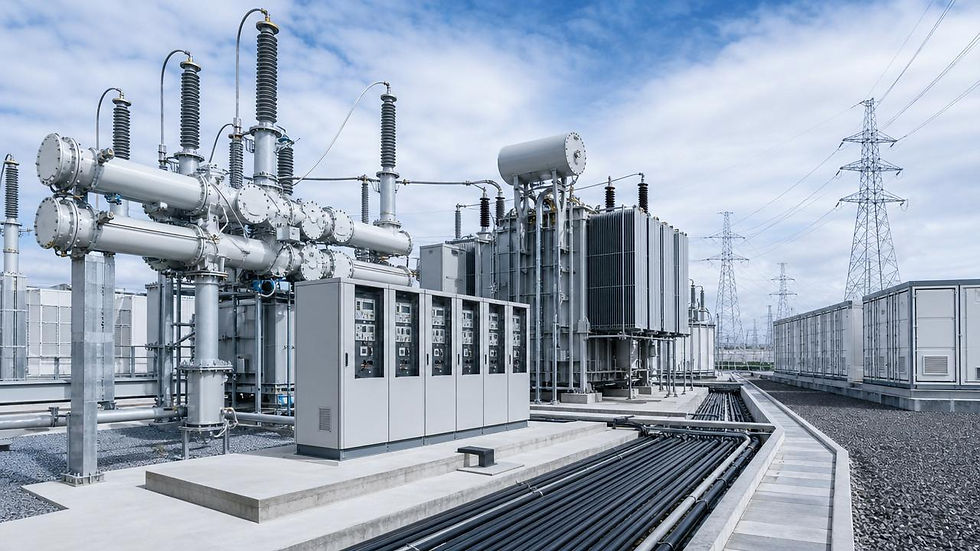
Civil and electrical activities often depend on one another. Planning their interfaces carefully can help avoid conflicts involving equipment foundations, cable routes, utilities, and installation schedules.
Key Stages of EPC Project Execution
Engineering and Planning: Review the project scope, technical drawings, specifications, and site requirements.
Procurement Coordination: Align vendors, contractors, equipment interfaces, and material delivery requirements with the project schedule.
Construction: Coordinate site activities in accordance with approved drawings, agreed specifications, and applicable safety practices.
Monitoring and Closeout: Track progress, support inspections, organise documentation, and coordinate handover activities.
How RICH Planet LLP Supports Project Execution
RICH Planet LLP supports civil construction, electrical infrastructure, and EPC-oriented project execution. Our approach emphasises coordination between stakeholders, attention to site conditions, progress monitoring, and execution in line with the agreed project scope.
Conclusion
Successful infrastructure delivery depends on more than completing individual construction activities. It requires an organised approach that connects planning, procurement coordination, site execution, and project closeout. A well-coordinated EPC approach can help teams work more effectively toward project objectives.
Planning an infrastructure project? Connect with RICH Planet LLP to discuss your civil, electrical, and EPC project requirements.
Comments